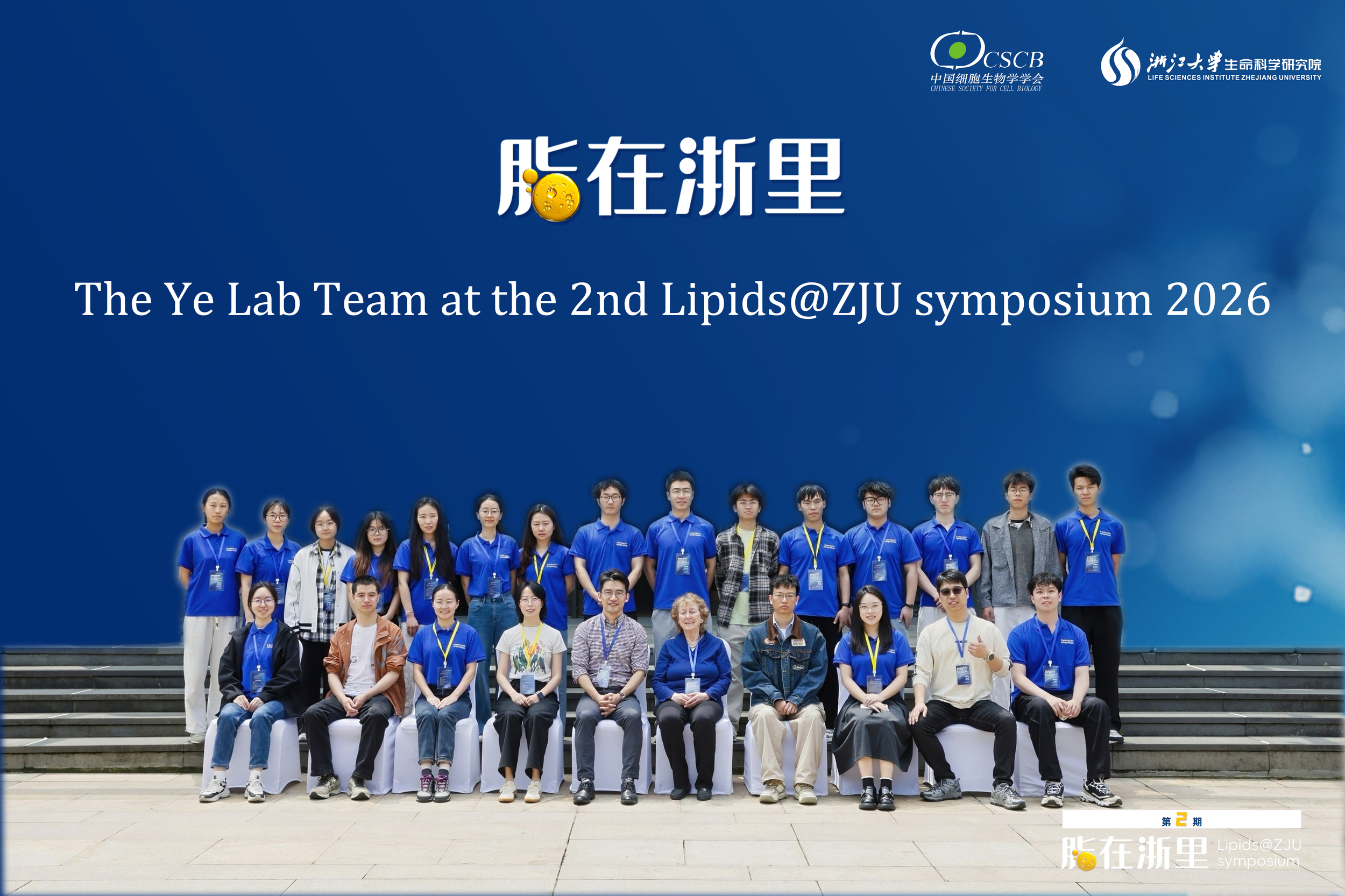
Dr. Cunqi Ye is a Senior Investigator at the Life Sciences Institute of Zhejiang University. He received his B.S. from Nanjing University under the guidance of Prof. Cheng Huang, and earned his Ph.D. from Wayne State University under the mentorship of Dr. Miriam Greenberg. Following postdoctoral training at UT Southwestern Medical Center in the laboratory of Dr. Benjamin Tu, he established his independent research program at Zhejiang University.
Dr. Ye’s research explores the fundamental principles governing metabolic processes and the regulatory roles of key intermediary metabolites. His laboratory integrates basic biological inquiry with the development of high-sensitivity mass spectrometry methodologies to resolve metabolite abundance and metabolic flux with high precision. A primary focus of his work is exploring how membrane phospholipid biosynthesis coordinates cellular metabolism and environmental adaptation. His contributions have significantly advanced our understanding of phospholipid biology in the context of metabolic control, cellular adaptation, and cell division, providing new insights into the metabolic underpinnings of human disease. Please visit the Ye Laboratory website to explore his research, publications and team.
ABOUT THE FOUNDER
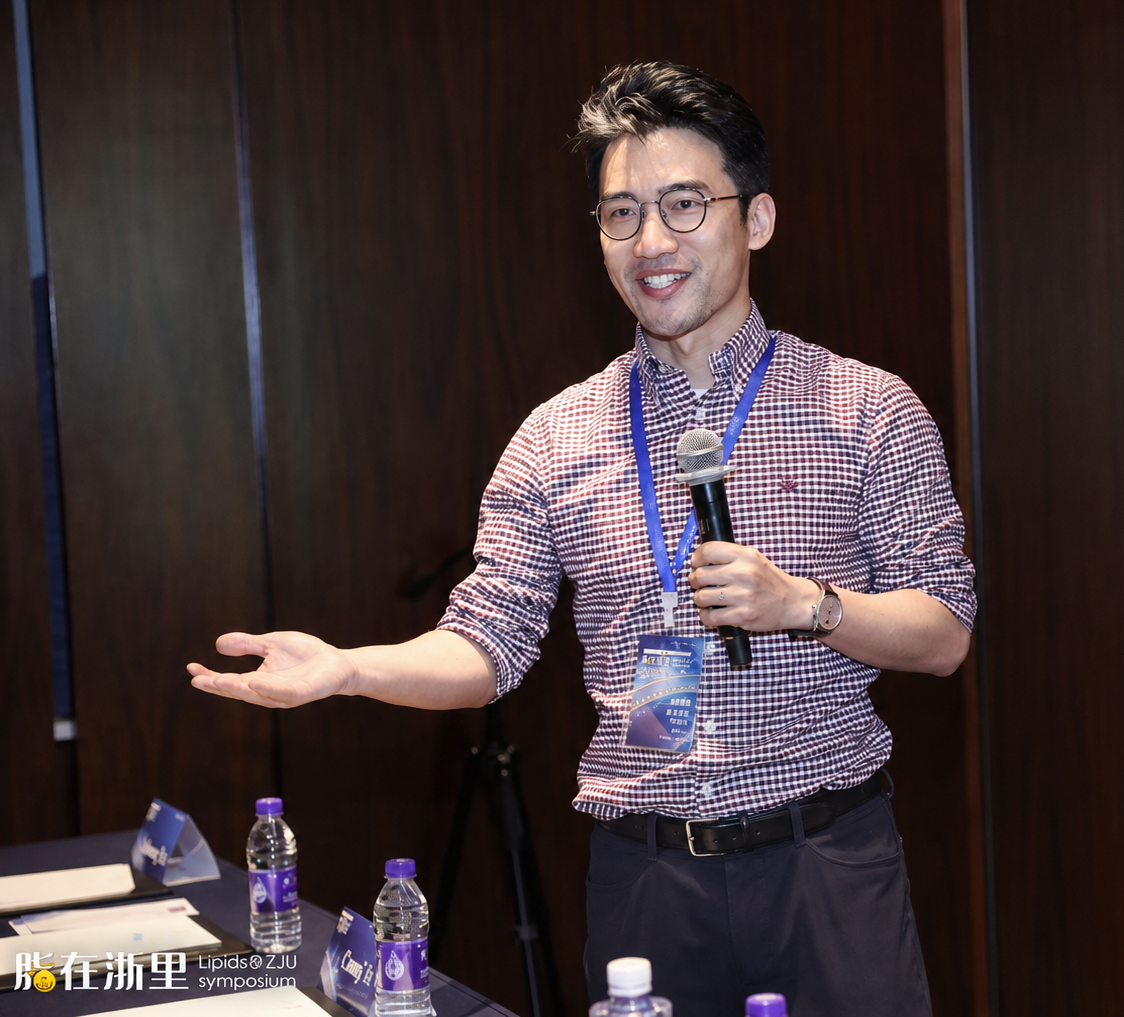
Why was this symposium established?
Dr. Cunqi Ye: I've often felt that lipid research gets less spotlight than proteins or nucleic acids, mostly because those fields experienced much earlier technological booms. However, advanced technologies are now trickling into our field, making us realize how much of fundamental lipid biology remains a black box.
We know that lipids are the essential architects of the cell, constructing the membranes that separate distinct compartments from the water-soluble cytosol. Yet, we still lack a foundational understanding of how lipid chemistry coordinates with cellular and physiological functions. We do not know exactly how many distinct lipid species exist, how dynamically they behave under physiological and pathological conditions, or how they specifically modulate membrane and organelle functions.
As the lipid field enters a period of exciting growth, I firmly believe that the foundation of a healthy scientific discipline relies on its community culture — a shared attitude of curiosity, an open atmosphere, and a cohort of scientists dedicated to scientific integrity. Having worked in this field for nearly 20 years, I realized that the best contribution I could make would be to help foster a lipid community defined by that genuine dedication. Throughout my career, I have been deeply inspired by the Gordon Lipids Research Conference, where the environment is invariably supportive, collaborative, and driven entirely by science. That inspiration led me to establish this annual event closer to home. My hope is that it serves as both a vibrant platform for discussing cutting-edge lipid research and a vital bridge connecting the scientific communities of China and the rest of the world.